




HRV and Sleep
Sleep is when your parasympathetic nervous system should be at its most active. Your overnight HRV pattern reveals how well your body actually recovered, often more honestly than how you feel when the alarm goes off.
What Happens to HRV While You Sleep
During healthy sleep, HRV follows a predictable pattern tied to sleep architecture. As you transition from wakefulness into non-REM sleep, parasympathetic activity increases and HRV rises. It typically reaches its highest point during deep (slow-wave) sleep in the first half of the night, when the vagus nerve exerts its strongest braking effect on heart rate.
During REM sleep, the autonomic picture shifts. Sympathetic activity increases, heart rate becomes more variable in an irregular way, and the neat parasympathetic dominance of deep sleep gives way to a more mixed state. HRV often dips during REM periods. As the night progresses and REM cycles lengthen, the overall HRV trend gradually declines toward morning waking levels.
This overnight arc (rising into deep sleep, dipping during REM, gradually declining toward morning) is the signature of a well-regulated autonomic nervous system. When this pattern is disrupted, it shows up clearly in your HRV data.
What Suppresses Overnight HRV
Several common factors can flatten or suppress your overnight HRV, even when you feel like you slept well.
Alcohol
Even moderate alcohol consumption (1-2 drinks) measurably suppresses overnight HRV, particularly in the first half of the night when deep sleep should dominate. The effect is dose-dependent and can persist for 24-48 hours. This is one of the most reliable and visible effects in personal HRV data. Many people first notice their HRV tracking by seeing the impact of a night out.
Late exercise
Intense exercise within 2-3 hours of bedtime can elevate sympathetic activity into the sleep period, suppressing the parasympathetic dominance your body needs for deep recovery. Morning or afternoon exercise, by contrast, tends to improve overnight HRV. The key variable is the gap between exertion and sleep.
Late meals
Eating a large meal close to bedtime activates digestive processes that require vagal activity, but in a way that competes with the restorative parasympathetic patterns of sleep. Your vagus nerve is busy with digestion when it should be focused on cardiac regulation and recovery.
Psychological stress
Unresolved stress or anxiety at bedtime keeps the sympathetic nervous system elevated, preventing the parasympathetic takeover that healthy sleep requires. Rumination before bed is particularly damaging to overnight HRV, even if you eventually fall asleep.
Illness and inflammation
Your HRV often drops before you feel symptoms of illness. The immune response activates the sympathetic nervous system and suppresses vagal tone as the body mobilises resources. A sudden, unexplained drop in your HRV baseline is worth paying attention to, as it may signal the onset of illness before other symptoms appear.
Sleep environment
Room temperature, noise, light exposure, and mattress comfort all influence sleep quality and, by extension, overnight HRV. A room that is too warm is particularly disruptive because thermoregulation competes with the parasympathetic rest state.
Morning HRV vs Overnight HRV
If your wearable reports overnight HRV (during sleep), it captures the full recovery picture, including the deep sleep peak and the gradual decline toward waking. This is valuable but can be noisy, since sleep position changes, brief awakenings, and variable sleep timing all introduce variation.
A morning HRV reading, taken in the first few minutes after waking, sitting or lying still, captures the endpoint of your overnight recovery in a more controlled way. Many practitioners and researchers prefer this approach because the measurement conditions are consistent day to day. Marco Altini's research with HRV4Training has shown that morning readings taken with a consistent protocol are effective for tracking trends and guiding training decisions.
Both approaches work. The most important factor is consistency: use the same method each day and trust the trend over individual readings.
Improving Sleep Through Vagal Tone
The relationship between HRV and sleep runs in both directions. Better sleep improves vagal tone and raises HRV. But higher vagal tone also improves sleep quality, creating a positive feedback loop.
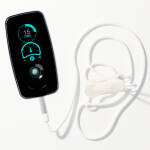
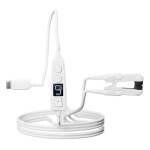
This is one of the most commonly reported benefits among vagus nerve stimulation users. Stimulating the vagus nerve in the evening, before bed, increases parasympathetic activity during the transition from wakefulness to sleep. Users frequently report falling asleep faster, sleeping more deeply, and waking feeling more rested. In our own customer reviews, sleep improvement is the most consistently mentioned outcome.
The practical takeaway
If you are tracking your HRV and want to improve your sleep scores, focus on the modifiable factors: finish eating and exercising at least 2-3 hours before bed, limit alcohol, manage stress before sleep, and consider an evening vagus nerve stimulation session to support the parasympathetic transition your body needs for deep recovery.