

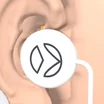

Non-invasive vagus nerve stimulation
Your nervous system, working better
A gentle electrical pulse at the ear, 15 to 30 minutes a day. Research-backed, drug-free, and designed to support how you feel naturally.
Vagally Better™
The nerve behind getting better
The vagus nerve is the longest cranial nerve in your body, connecting your brain to your heart, lungs, gut and immune system. It has been quietly managing those systems your entire life.
A small branch of it surfaces just under the skin of your outer ear. That is the one place the vagus nerve can be reached from outside the body, without surgery and without drugs, which is what makes transcutaneous stimulation (tVNS) possible at home.
A growing body of research suggests that gently stimulating this branch may support a range of functions, from stress recovery to digestion. The science is still developing, but the results so far are encouraging.
Take the interactive nerve tour
How stimulation at the ear reaches the brain
The auricular branch of the vagus nerve runs through the outer ear. Stimulating it sends signals along the same pathway the nerve already uses.
The clip
A small electrode clips to the tragus or concha of the ear, where the nerve sits closest to the surface.
The pulse
A low, precisely controlled current delivers biphasic pulses. You feel a light tingle, nothing more.
The pathway
Signals travel up the auricular branch to the nucleus tractus solitarius, a relay hub in the brainstem.
The response
From there the signal reaches regions involved in autonomic regulation, mood and arousal.
What the research is exploring
These are areas of active investigation, not proven treatments. Here is what researchers are currently looking at, and where you can read more.

Stress and relaxation
The vagus nerve helps shift your nervous system towards a calmer state. Many users report feeling more settled after regular sessions.
HRV and stress
Sleep support
A well-functioning vagus nerve is associated with better sleep quality. Some users notice they fall asleep more easily with regular use.
HRV and sleep
Mood and wellbeing
Research suggests vagus nerve stimulation may support emotional regulation and an overall sense of wellbeing.
HRV and anxiety
What does a session feel like?
Most people describe the sensation as a gentle tingling or mild vibration. It is not painful. In fact many find it quite relaxing. Sessions typically last 15 to 30 minutes and you can read, listen to music, or simply sit quietly.
Modern tVNS devices are built for home use and are straightforward to operate. Clip on, set your level, and let it do its work.
Choose your stimulator
Three non-invasive devices, one goal: better vagal tone. Every Vagal stimulator ships with a 45-day money-back guarantee.
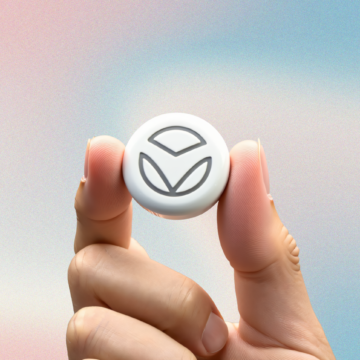
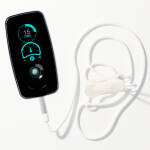
Vagal Oh! Wireless tVNS
Wireless transcutaneous vagus nerve stimulation (tVNS). Compact, rechargeable, and ready to use out of the box. In stock. Ships from…
- 45-Day Money Back
- HSA/FSA Accepted
- Wireless Freedom
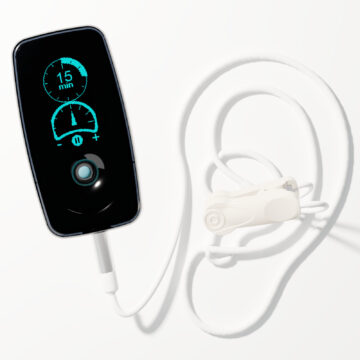
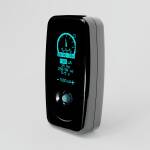
Vagal Buddy tVNS
At-home vagus nerve stimulation without limits. Buddy is a current-controlled auricular tVNS device with wireless charging, so you can charge…
- 45-Day Money Back
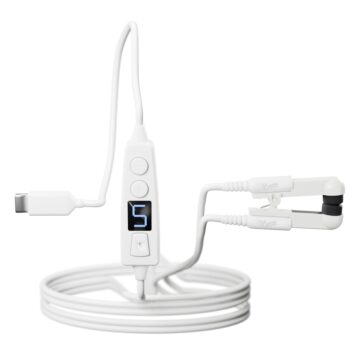
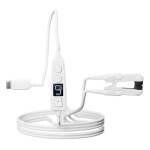
tENS Vagal Boost - At-Home Vagus Nerve Stimulation Device
Vagus nerve stimulation for $59. Plug into your phone, clip to your ear, and feel the difference. Six built-in stimulation…
- 45-Day Money Back
- Boost In Stock
Getting started is simple
Three steps to better vagal tone.
Learn
Understand what the vagus nerve does, what the published evidence actually shows, and where the limits are.
Read the scienceAssess
Take the free two-minute vagal tone test to see where you stand across five domains, and which device suits you.
Take the free testBegin
Start a daily practice with a proper setup guide, then track how you feel over the following weeks.
Setup instructionsCommon questions
Does vagus nerve stimulation hurt?
How long before I notice anything?
Is it safe?
Who should not use it?
What is the difference between tVNS and surgical VNS?
Can I measure whether it is working?
Go deeper
Ready to feel better?
Vagus nerve stimulation is a simple daily practice that many people find makes a real difference over time. With non-invasive devices now made for home use, it has never been easier to explore.
A note on health: Our devices are designed to support wellness, not to diagnose, treat, cure or prevent any disease. If you have a medical condition, or an implanted electrical device such as a pacemaker, please consult your healthcare provider before use.