

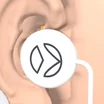

Ear Electrode Placement for tVNS: Tragus and Cymba Conchae
The auricular branch of the vagus nerve reaches the skin in two well-mapped spots on your outer ear. Put the electrode there and stimulation reaches the nerve; put it a centimetre off and you are mostly stimulating cartilage. Here is exactly where to place it, how to get reliable contact, and what to do when the sensation is not right.
The two target zones
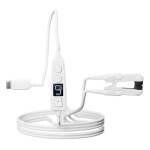
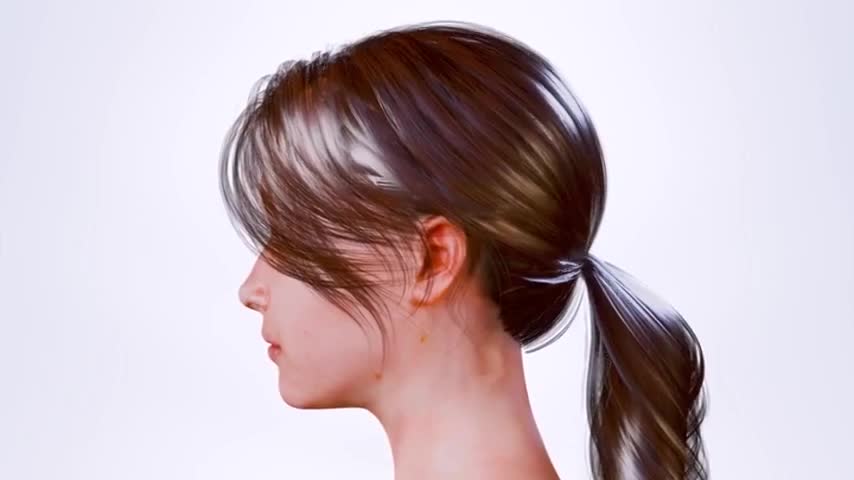
- Tragus - the small firm flap in front of the ear canal. The standard target for clip electrodes: easy to reach, easy to keep in place, and richly supplied by the auricular branch of the vagus nerve on its inner surface. This is where Vagal ear clips and earpieces sit.
- Cymba conchae - the small hollow above the ear canal, tucked under the ridge where the outer rim meets your head. Anatomical mapping shows dense vagal innervation here, which is why much published tVNS research targets it. It needs a conchal-style electrode rather than a simple clip.
Everywhere else on the ear - the lobe, the outer rim - is served mainly by other nerves. That is why "just clip it anywhere" produces such inconsistent experiences, and why the earlobe is used as the sham location in clinical studies.
Placing a clip electrode, step by step
- Start with clean, dry skin. Remove earrings near the site and wipe the tragus with water or an alcohol-free wipe - skin oil is the most common cause of weak contact.
- Apply a thin layer of conductive gel or paste to both electrode faces. Thin means barely visible: a thick blob spreads the current and dulls the sensation. Gentle Gel is formulated for daily ear use.
- Clip onto the tragus so the electrode faces sit flat against the front and back surfaces. It should feel snug enough not to slip when you nod, never pinching.
- Start at the lowest intensity and raise it slowly until you feel a clear, comfortable tingling or tapping. The right level is distinct but easy to ignore after a minute - never sharp, never prickling.
- If the sensation fades mid-session, contact has dried out. Re-wet the gel or reseat the clip rather than turning the intensity up.
Using ear clips with a TENS unit
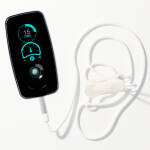
If you already own a TENS unit, Vagal tENS Ear Clips connect to standard consumer TENS machines, turning them into an entry-level ear stimulator. Set the unit to its gentlest program, start from zero intensity, and follow the placement steps above - ear skin needs far less power than the back muscles TENS units are built for. If you do not own one, the tENS Vagal Boost ($59) bundles the unit and clips, pre-configured for ear use.
Troubleshooting
I cannot feel anything
Almost always a contact problem, not a power problem. Re-clean the skin, use fresh gel, reseat the clip so both faces touch skin, then raise intensity gradually. Check the cable is fully seated at both ends.
It feels sharp or prickly
The current is concentrating on a small contact point. Lower the intensity, add a little more gel, and reposition so the electrode sits flat. Sharpness is a placement signal, not something to push through.
Skin irritation after sessions
Give the site a rest day, keep sessions to your device's recommended length, and switch to a gentler conductive gel. Persistent redness at correct settings is a reason to pause and contact us.
The clip will not stay on
Hair and jewellery are the usual culprits - clear the area and reseat. If your tragus is small, the Petite Vagal Clip is sized for smaller ears.
Set up your device properly
Step-by-step instructions for every Vagal device, from first charge to your first session.
Device instructions Get ear clipsThis guide covers general placement for consumer wellness devices and is not medical advice. Always follow the instructions supplied with your device, keep electrodes away from broken skin, and speak to a doctor before using electrical stimulation if you have an implanted medical device or a heart condition.