

The vagus nerve is a key component of the nervous system that plays a crucial role in our overall well-being. By understanding the function, anatomy, and connection between the vagus nerve and massage, we can explore the benefits and techniques of massaging this important nerve.
Understanding the Vagus Nerve
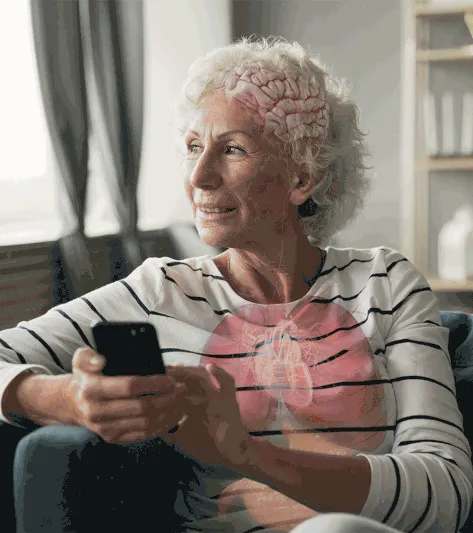
The vagus nerve, also known as cranial nerve X, is the longest cranial nerve in our body. It originates in the brainstem and extends down to various organs, including the heart, lungs, stomach, and intestines.
But what exactly does the vagus nerve do? Let's delve deeper into its role and function.
The Role and Function of the Vagus Nerve
The vagus nerve has both sensory and motor functions. It plays a vital role in regulating the autonomic nervous system, which controls involuntary bodily functions such as heart rate, digestion, and respiration.
Imagine this: you're sitting down to enjoy a delicious meal. As you take your first bite, the vagus nerve springs into action, initiating the parasympathetic response. This response, often referred to as the "rest and digest" response, is responsible for promoting relaxation and enhancing digestion. It signals your body to slow down, allowing you to fully savor and digest your food.
But that's not all. The vagus nerve also has a profound impact on our emotional well-being. It is intricately connected to the limbic system, which is responsible for regulating our emotions. When the vagus nerve is stimulated, it can help reduce stress and anxiety, promoting a sense of calm and tranquility.
Furthermore, the vagus nerve is involved in the regulation of heart rate. It acts as a messenger between the brain and the heart, ensuring that your heart beats at a steady rhythm. This is why deep breathing exercises, which stimulate the vagus nerve, can help lower heart rate and blood pressure.
The Anatomy of the Vagus Nerve
The vagus nerve consists of both motor and sensory fibers. The motor fibers control the muscles involved in speech, swallowing, and facial expressions. Next time you speak or smile, remember to thank your vagus nerve for its role in making it happen.
On the other hand, the sensory fibers transmit information from the organs to the brain, allowing us to sense pain, temperature, and changes in pressure. Think about the last time you accidentally touched a hot surface or experienced a sudden stomachache. It was your vagus nerve sending signals to your brain, alerting you to potential danger or discomfort.
Interestingly, the vagus nerve is not limited to its role in the body. Recent research has shown that stimulating the vagus nerve can have therapeutic effects on various conditions, such as depression, epilepsy, and even inflammatory diseases. Scientists are still exploring the full potential of this remarkable nerve and its impact on our overall health.
In conclusion, the vagus nerve is a complex and multifaceted part of our nervous system. Its role in regulating bodily functions, promoting relaxation, and influencing our emotional well-being cannot be overstated. So the next time you take a deep breath, enjoy a meal, or express your emotions, remember to appreciate the incredible work of the vagus nerve.
The Connection Between Vagus Nerve and Massage
Massage therapy has long been recognized for its ability to promote relaxation and alleviate stress. The connection between massage therapy and the vagus nerve lies in the science of vagus nerve stimulation and the benefits it can bring to our physical and mental well-being.
But what exactly is the vagus nerve? The vagus nerve is the longest cranial nerve in the body, extending from the brainstem to various organs in the body, including the heart, lungs, and digestive system. It plays a crucial role in regulating many bodily functions, such as heart rate, digestion, and inflammation.
The Science Behind Vagus Nerve Stimulation
When the vagus nerve is stimulated, it triggers the release of neurotransmitters, such as acetylcholine and dopamine, which can help reduce inflammation, lower blood pressure, and improve mood. These neurotransmitters act as chemical messengers, transmitting signals between nerve cells and facilitating communication within the body.
Massage techniques that promote relaxation, such as gentle strokes and rhythmic movements, are believed to activate the vagus nerve and elicit these positive responses. As the therapist applies pressure and manipulates the muscles, it stimulates the nerve endings and encourages the release of these beneficial neurotransmitters.
Benefits of Massaging the Vagus Nerve
Massaging the vagus nerve can provide a wide range of benefits. It has been associated with reduced anxiety, enhanced digestion, improved heart rate variability, and even boosted immune function.
When we experience stress or anxiety, our body's "fight or flight" response is activated, leading to increased heart rate, shallow breathing, and heightened tension. By massaging the vagus nerve, we can activate the body's "rest and digest" response, which helps counteract the effects of stress and promote relaxation.
Furthermore, the vagus nerve plays a crucial role in digestion. It helps regulate the movement of food through the digestive tract, stimulates the release of digestive enzymes, and promotes the absorption of nutrients. By massaging the vagus nerve, we can enhance digestion and alleviate symptoms such as bloating, constipation, and indigestion.
Another fascinating benefit of massaging the vagus nerve is its impact on heart rate variability (HRV). HRV refers to the variation in time intervals between consecutive heartbeats and is considered an indicator of overall cardiovascular health. Research has shown that vagus nerve stimulation through massage can improve HRV, leading to a more balanced and resilient cardiovascular system.
Lastly, the vagus nerve is closely connected to the immune system. It helps regulate inflammation in the body, which is a vital response to injury or infection. By massaging the vagus nerve, we can potentially reduce excessive inflammation and support a healthy immune response.
In conclusion, the connection between massage therapy and the vagus nerve lies in the stimulation of this important cranial nerve. By targeting the vagus nerve through massage, we can positively impact our overall health and well-being, from reducing stress and anxiety to improving digestion and cardiovascular function. So the next time you book a massage, remember that you're not just treating your muscles, but also nurturing your vagus nerve and promoting a healthier body and mind.
Locating the Vagus Nerve for Massage
To effectively massage the vagus nerve, it is crucial to locate its key points correctly. While it is not possible to massage the entire length of the vagus nerve, focusing on specific areas can still provide therapeutic benefits.
The vagus nerve, also known as the tenth cranial nerve, is the longest and most complex of the cranial nerves. It originates in the brainstem and travels down through the neck and chest, branching out to various organs and muscles along the way. This nerve plays a vital role in regulating many bodily functions, including heart rate, digestion, and even mood.
Identifying Key Points for Vagus Nerve Massage
One way to locate the vagus nerve is to trace its path from the brainstem down towards the neck and chest area. Applying gentle pressure to the areas where the nerve runs close to the surface, such as the sides of the neck and the sternum, can help stimulate the vagus nerve and promote relaxation.
When massaging the sides of the neck, it is important to be mindful of the carotid artery, which runs parallel to the vagus nerve. The carotid artery supplies blood to the brain, and applying excessive pressure to this area can be dangerous. It is advisable to use light, circular motions with your fingertips or the palm of your hand to gently stimulate the nerve without putting undue pressure on the artery.
In addition to the neck, the sternum is another key area to focus on during vagus nerve massage. The sternum, or breastbone, is located in the center of the chest and serves as an attachment point for several muscles, including those connected to the vagus nerve. By applying gentle pressure and circular motions to the sternum, you can help activate the nerve and promote a sense of calm and relaxation.
Safety Measures in Massaging the Vagus Nerve
While massaging the vagus nerve can be beneficial, it is essential to exercise caution and follow safety measures. Avoid applying excessive pressure or deep tissue techniques directly over the vagus nerve, as this can potentially cause discomfort or unintended effects.
If you are unsure or have any concerns, it is always best to consult a professional massage therapist who has experience working with the vagus nerve. They can provide guidance on proper techniques and ensure that the massage is both safe and effective.
It is also important to note that vagus nerve massage should not be used as a substitute for medical treatment. If you have any underlying medical conditions or are experiencing severe symptoms, it is crucial to seek advice from a healthcare professional before attempting any form of self-massage.
In conclusion, locating and massaging the vagus nerve can be a beneficial practice for promoting relaxation and overall well-being. By understanding the key points and following safety measures, you can effectively stimulate this important nerve and reap the therapeutic benefits it offers.
Techniques for Massaging the Vagus Nerve
When it comes to promoting the stimulation of the vagus nerve, there are a variety of massage techniques that can be employed. These techniques can not only enhance your vagus nerve massage experience but also maximize its benefits. By following a step-by-step guide and incorporating some helpful tips, you can ensure that you are getting the most out of your vagus nerve massage.
Step-by-Step Guide to Vagus Nerve Massage
1. Find a comfortable position: To begin your vagus nerve massage, it is important to find a comfortable position. Whether you choose to sit or lie down, make sure that you are in a relaxed position, free from any distractions that may hinder your experience.
2. Take deep breaths: Once you are in a comfortable position, it is time to start taking slow, deep breaths. Deep breathing promotes relaxation and activates the parasympathetic response, which is essential for stimulating the vagus nerve.
3. Focus on the neck: The next step in your vagus nerve massage is to gently massage the sides of your neck. Using circular motions or light strokes, pay close attention to areas where the vagus nerve is closer to the surface. This will help to target the nerve directly and enhance its stimulation.
4. Move to the sternum: After massaging the neck, it is important to continue the massage by applying gentle pressure or circular motions to the sternum. The sternum is another key area where the vagus nerve can be accessed, so focusing on this area will further promote its stimulation.
5. Relax and observe: Once you have completed the massage, take a moment to relax and observe any changes in your physical or emotional well-being. Pay attention to how your body feels and any sensations that you may experience. This will help you to gauge the effectiveness of the massage and understand how it is benefiting you.
Tips for Effective Vagus Nerve Massage
- Practice deep breathing exercises: Before and during the massage, it is beneficial to practice deep breathing exercises. Deep breathing helps to enhance relaxation and prepares your body for the stimulation of the vagus nerve.
- Use gentle, smooth movements: When performing a vagus nerve massage, it is important to use gentle, smooth movements rather than forceful pressure. The vagus nerve is delicate, and applying too much pressure can be counterproductive. So, be gentle and allow the massage to work its magic.
- Listen to your body: Every individual is different, and what works for one person may not work for another. It is important to listen to your body and adjust the intensity of the massage according to your comfort level. If you feel any discomfort or pain, it is best to ease off and modify the technique to suit your needs.
- Incorporate other relaxation techniques: To create a calming environment during your vagus nerve massage, consider incorporating other relaxation techniques. Meditation, soothing music, or even aromatherapy can enhance the overall experience and promote a deeper sense of relaxation.
By following these techniques and tips, you can ensure that your vagus nerve massage is effective and enjoyable. Remember, the vagus nerve plays a crucial role in regulating various bodily functions, so taking the time to stimulate and nurture it can have a positive impact on your overall well-being.
Potential Risks and Precautions
While massaging the vagus nerve can offer many benefits, it is important to be aware of potential risks and take necessary precautions to ensure a safe experience.
When it comes to the vagus nerve, it is crucial to exercise caution and prioritize safety. Although vagus nerve massage can be incredibly beneficial, there are certain circumstances in which it is best to avoid or seek professional guidance.
When to Avoid Vagus Nerve Massage
If you have any existing medical conditions or are experiencing specific symptoms, it is advisable to consult a healthcare professional before attempting vagus nerve massage. This is especially important if you have a history of cardiovascular issues, as manipulating the vagus nerve can have an impact on heart rate and blood pressure.
Furthermore, if you are pregnant or have a history of neck injuries or surgeries, it is best to avoid direct manipulation of the vagus nerve without proper guidance. These conditions may require specialized techniques or modifications to ensure the safety of both you and your baby.
Consulting a Professional for Vagus Nerve Massage
While there are various online resources and self-help guides available for vagus nerve massage, it is important to approach this practice with caution. If you are unsure about performing vagus nerve massage on your own or have any concerns, it is recommended to seek the assistance of a professional massage therapist who is experienced in working with the vagus nerve.
A professional massage therapist will have a deep understanding of the anatomy and physiology of the vagus nerve, as well as the necessary skills to perform safe and effective massages. They can provide expert guidance and personalized attention, tailoring the massage to your specific needs and ensuring a safe and effective experience.
Additionally, a professional massage therapist can assess your overall health and any underlying conditions that may affect the safety or efficacy of vagus nerve massage. They can work with you to develop a comprehensive treatment plan that incorporates vagus nerve massage alongside other therapeutic techniques to optimize your well-being.
Overall, understanding where and how to massage the vagus nerve can open up a world of benefits for our mind and body. By incorporating vagus nerve massage techniques into our wellness routine, we can promote relaxation, reduce stress, and enhance our overall well-being. However, it is crucial to prioritize safety and seek professional guidance when needed to ensure a safe and effective experience.
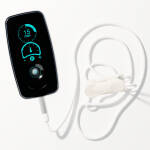
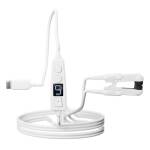
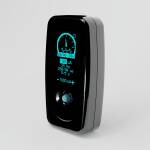
Massage is one way to reach your vagus nerve. Vagal Buddy is another: a current-controlled tVNS device that sends gentle pulses to the branch of the vagus nerve in your ear, at a steady dose every session. Try it at home with our 45-day money-back guarantee. Meet Vagal Buddy.