




In today's fast-paced and stressful world, taking care of our physical and mental health has become more important than ever. One often-overlooked aspect of our well-being is the health of our vagus nerve. The vagus nerve, also known as the "wandering nerve," plays a crucial role in regulating many bodily functions and has a significant impact on our overall health. Fortunately, there are simple and effective ways to boost vagus nerve health, and one such method is through breathing exercises.
Understanding the Vagus Nerve and Its Importance
The vagus nerve is the longest cranial nerve in our body, running from the brainstem to the abdomen. It is part of the parasympathetic nervous system, which is responsible for regulating our body's "rest and digest" response. The vagus nerve acts as a communication highway between the brain and various organs, including the heart, lungs, and digestive system.
But what exactly does the vagus nerve do? Well, one of its key functions is to calm down our body's stress response. When we encounter a stressful situation, the vagus nerve kicks into action, sending signals to slow down our heart rate, reduce inflammation, and promote relaxation. It's like a built-in stress reliever that helps us maintain a sense of calm in the face of adversity.
The Role of the Vagus Nerve in the Body
In addition to its stress-relieving abilities, the vagus nerve also plays a crucial role in digestion. It controls the release of digestive enzymes, ensuring that our food is broken down properly and nutrients are absorbed efficiently. Without a healthy vagus nerve, our digestive system may not function optimally, leading to issues such as bloating, constipation, and nutrient deficiencies.
But that's not all - the vagus nerve has even more tricks up its sleeve. It is involved in regulating our immune response, helping to keep inflammation in check. Studies have shown that stimulating the vagus nerve can reduce inflammation in the body, which is important for preventing chronic diseases such as cardiovascular disease, arthritis, and even certain types of cancer.
The Connection Between the Vagus Nerve and Overall Health
Given its wide-ranging influence on various bodily functions, it's no surprise that the vagus nerve has a profound impact on our overall health and well-being. Research suggests that a healthy vagus nerve can lower the risk of various health conditions, including cardiovascular disease, depression, and gastrointestinal disorders.
But how can we improve vagus nerve health? Well, there are several strategies that can help. Deep breathing exercises, such as diaphragmatic breathing, have been shown to stimulate the vagus nerve and promote relaxation. Regular exercise, particularly activities like yoga and tai chi, can also have a positive effect on vagus nerve function.
Furthermore, certain lifestyle factors can influence the health of our vagus nerve. Getting enough sleep, managing stress levels, and maintaining a healthy diet rich in fruits, vegetables, and omega-3 fatty acids can all contribute to a well-functioning vagus nerve.
In conclusion, the vagus nerve is a fascinating part of our nervous system that plays a vital role in maintaining our overall health. By understanding its importance and taking steps to support its function, we can enhance our body's ability to heal, recover, and maintain balance.
The Science Behind Breathing Exercises and Vagus Nerve Stimulation
Breathing is an automatic process that we often take for granted. However, the way we breathe can impact the stimulation and activation of the vagus nerve. By understanding the science behind breathing exercises, we can harness the power of our breath to optimize vagus nerve health.
The vagus nerve, also known as the "wandering nerve," is the longest cranial nerve in the body. It extends from the brainstem to various organs, including the heart, lungs, and digestive system. This nerve plays a crucial role in regulating many bodily functions, such as heart rate, digestion, and immune response.
How Breathing Affects the Vagus Nerve
The breath we take can either stimulate or calm the vagus nerve. Shallow, rapid breathing is associated with the fight-or-flight response, leading to increased stress and anxiety. When we are in a state of stress, our sympathetic nervous system becomes dominant, and the vagus nerve activity decreases.
On the other hand, slow, deep breathing activates the parasympathetic nervous system, triggering the relaxation response and stimulating the vagus nerve. This type of breathing promotes a sense of calm and relaxation, allowing the body to enter a state of rest and digest.
When we take slow, deep breaths, the diaphragm, a dome-shaped muscle located below the lungs, contracts and moves downward. This action creates more space in the chest cavity, allowing the lungs to expand fully. As a result, more oxygen is drawn into the body, and carbon dioxide is expelled.
The Impact of Deep Breathing on Vagus Nerve Stimulation
Deep breathing exercises, such as diaphragmatic breathing or belly breathing, have been shown to promote vagus nerve stimulation. By consciously engaging our diaphragm and inhaling deeply through our nose, we can activate the relaxation response and enhance vagal tone.
When we engage in deep breathing, the increased oxygen intake stimulates the vagus nerve, leading to a cascade of positive effects throughout the body. The vagus nerve releases neurotransmitters, such as acetylcholine, which helps regulate heart rate, blood pressure, and digestion.
Furthermore, the rhythmic nature of deep breathing helps regulate heart rate variability (HRV), which is the variation in time between each heartbeat. Higher HRV is associated with better overall health and resilience to stress. Deep breathing exercises can improve HRV by activating the vagus nerve and promoting a balanced autonomic nervous system.
Research has also shown that deep breathing exercises can have a positive impact on mental health. By activating the relaxation response and stimulating the vagus nerve, deep breathing can reduce symptoms of anxiety, depression, and post-traumatic stress disorder (PTSD).
Incorporating deep breathing exercises into our daily routine can be beneficial for our overall well-being. Whether it's through meditation, yoga, or simply taking a few moments to focus on our breath, we can tap into the power of the vagus nerve and optimize our physical and mental health.
Different Breathing Techniques for Vagus Nerve Health
There are several effective breathing techniques that can specifically target vagus nerve health and enhance overall well-being. Two popular methods are box breathing and the 4-7-8 breathing method.
Box Breathing and Its Benefits
Box breathing is a simple technique that involves inhaling, holding the breath, exhaling, and holding again, all for equal counts of time. This technique helps regulate the autonomic nervous system, including the vagus nerve, and promotes a state of calm and relaxation.
When practicing box breathing, it is important to find a quiet and comfortable space where you can fully focus on your breath. Begin by inhaling deeply through your nose for a count of four, allowing your abdomen to expand as you fill your lungs with air. Once you reach the count of four, hold your breath for the same count, maintaining a sense of stillness and presence. Then, exhale slowly and fully through your mouth for another count of four, feeling the release of tension and stress. Finally, hold your breath again for the count of four before repeating the cycle.
Box breathing can be a valuable tool for managing stress and anxiety. By consciously controlling your breath, you activate the relaxation response in your body, which helps reduce the production of stress hormones and promotes a sense of calm. Regular practice of box breathing can improve vagal tone, which is the measure of the vagus nerve's ability to regulate bodily functions and maintain overall health.
The 4-7-8 Breathing Method Explained
The 4-7-8 breathing method is another powerful technique for vagus nerve stimulation. It involves inhaling through the nose for a count of 4, holding the breath for a count of 7, and exhaling forcefully through the mouth for a count of 8. This technique helps slow down the heart rate, calms the mind, and enhances vagal tone.
To practice the 4-7-8 breathing method, find a comfortable seated position and close your eyes. Take a deep breath in through your nose, counting silently to four as you fill your lungs with air. Once you reach the count of four, hold your breath for a count of seven, allowing the oxygen to circulate throughout your body. Then, exhale forcefully through your mouth for a count of eight, completely emptying your lungs. Repeat this cycle for a few minutes, focusing on the rhythm of your breath and the sensations in your body.
The 4-7-8 breathing method is particularly effective for reducing anxiety and promoting relaxation. By extending the exhalation phase, you activate the body's natural relaxation response and stimulate the vagus nerve. This technique can be especially helpful during moments of heightened stress or when preparing for sleep, as it helps quiet the mind and induce a state of calmness.
It is important to note that while these breathing techniques can be beneficial for vagus nerve health, they should not replace medical advice or treatment. If you have any underlying health conditions or concerns, it is always best to consult with a healthcare professional before incorporating new practices into your routine.
Incorporating Breathing Exercises into Your Daily Routine
Now that we understand the benefits of breathing exercises for vagus nerve health, it's important to find ways to incorporate these practices into our daily routine.
The vagus nerve, also known as the "wandering nerve," plays a crucial role in our body's relaxation response. By stimulating the vagus nerve through breathing exercises, we can activate the parasympathetic nervous system, which helps us relax, reduce stress, and improve overall well-being.
When it comes to incorporating breathing exercises into our daily routine, finding the right time is essential. Choose a time of day that works best for you, whether it's in the morning to start your day on a calm note or in the evening to unwind and relax. Creating a designated breathing exercise routine will help you stay consistent and reap the benefits of vagus nerve stimulation.
Finding the Right Time for Breathing Exercises
Our daily lives can be hectic, filled with various responsibilities and tasks. However, setting aside time for breathing exercises is crucial for our overall health and well-being. By dedicating a specific time for these exercises, we prioritize our mental and physical health.
In the morning, practicing breathing exercises can help set a positive tone for the day ahead. It allows us to start our day with a sense of calm and centeredness, preparing us to face any challenges that may come our way. By taking a few moments to focus on our breath, we can cultivate a peaceful mindset that carries us through the day.
In the evening, incorporating breathing exercises into our routine can aid in relaxation and promote better sleep. After a long day, our bodies and minds can become tense and overwhelmed. By engaging in deep breathing exercises, we can release tension, quiet our thoughts, and prepare ourselves for a restful night's sleep.
Consistency and Its Role in Vagus Nerve Health
Consistency is key when it comes to reaping the benefits of breathing exercises for vagus nerve health. Just like any other practice, regularity is essential for long-term results.
When starting, aim to practice breathing exercises for at least 10-15 minutes per day. This duration allows you to fully engage with the exercises and experience their effects. As you become more comfortable and familiar with the techniques, you can gradually increase the duration of your practice.
Consistent practice strengthens your vagus nerve, making it more resilient and responsive. Over time, you may notice improvements in your ability to manage stress, regulate emotions, and enhance overall well-being. By making breathing exercises a daily habit, you amplify the positive effects on your mind, body, and spirit.
Remember, incorporating breathing exercises into your daily routine is a personal journey. Find what works best for you and adapt it to your lifestyle. Whether it's finding a quiet corner in your home, stepping outside into nature, or utilizing guided meditation apps, prioritize your well-being by making time for these valuable practices.
Potential Health Benefits of Vagus Nerve Stimulation
Vagus nerve stimulation through breathing exercises can have far-reaching benefits for our health beyond promoting relaxation and enhancing vagal tone.
Improved Digestive Health through Vagus Nerve Stimulation
Vagus nerve stimulation can help improve digestion by increasing digestive enzyme production, enhancing nutrient absorption, and reducing gut inflammation. By improving vagus nerve function, we can support a healthy digestive system and minimize issues such as bloating, constipation, and acid reflux.
Furthermore, vagus nerve stimulation has been found to stimulate the release of gastric acid, which aids in the breakdown of food and promotes efficient digestion. This can be particularly beneficial for individuals with conditions such as gastritis or gastroparesis, as it can help alleviate symptoms and improve overall digestive function.
In addition to its direct effects on digestion, vagus nerve stimulation also indirectly supports digestive health by reducing stress and promoting a state of relaxation. Chronic stress has been linked to various digestive disorders, such as irritable bowel syndrome (IBS) and inflammatory bowel disease (IBD). By activating the relaxation response, vagus nerve stimulation can help mitigate the impact of stress on the digestive system, leading to improved overall digestive health.
Vagus Nerve Stimulation and Mental Health
The vagus nerve plays a significant role in mental health. By activating the relaxation response and reducing stress, vagus nerve stimulation can help alleviate symptoms of anxiety and depression. It can also improve overall mood, promote emotional resilience, and enhance our ability to cope with stressors.
Moreover, vagus nerve stimulation has been shown to have neuroprotective effects, meaning it can help protect against damage to the brain and nervous system. This is particularly relevant in the context of mental health, as chronic stress and certain mental health disorders have been associated with structural and functional changes in the brain. By enhancing vagus nerve function, stimulation techniques can potentially mitigate these effects and support optimal brain health.
Additionally, vagus nerve stimulation has been found to modulate the release of various neurotransmitters, including serotonin and dopamine, which are involved in mood regulation. This modulation can contribute to the alleviation of symptoms associated with anxiety and depression, and may even have potential in the treatment of these conditions.
Furthermore, vagus nerve stimulation has been explored as a potential therapeutic approach for other mental health conditions, such as post-traumatic stress disorder (PTSD) and obsessive-compulsive disorder (OCD). While further research is needed in these areas, preliminary studies have shown promising results, suggesting that vagus nerve stimulation may have a broader impact on mental health beyond anxiety and depression.
Precautions and Considerations for Vagus Nerve Stimulation
While breathing exercises for vagus nerve stimulation are generally safe and beneficial, there are a few precautions and considerations to keep in mind.
When to Avoid Vagus Nerve Stimulation
If you have certain medical conditions such as heart disease, epilepsy, or a history of stroke, it is advisable to consult with a healthcare professional before starting breathing exercises for vagus nerve stimulation. They can provide personalized guidance and ensure that the practices are suitable for your specific circumstances.
Consulting a Healthcare Professional Before Starting Breathing Exercises
If you have any concerns or existing medical conditions, it's always wise to seek the advice of a healthcare professional before incorporating regular breathing exercises into your routine. They can offer tailored recommendations and guidance based on your individual needs.
When it comes to vagus nerve stimulation, it is crucial to prioritize your safety and well-being. While breathing exercises can have numerous benefits, it is essential to be aware of any potential risks or contraindications that may apply to your specific situation.
Heart disease, for instance, is a serious medical condition that requires careful consideration before engaging in any form of vagus nerve stimulation. The vagus nerve plays a significant role in regulating heart rate and blood pressure, and any manipulation of this nerve should be approached with caution in individuals with pre-existing heart conditions.
Epilepsy, another condition that warrants attention, involves abnormal electrical activity in the brain, which can lead to seizures. Vagus nerve stimulation has been used as a treatment option for epilepsy, but it is crucial to consult with a healthcare professional before attempting any self-stimulation techniques. They can assess the potential risks and benefits based on your specific epilepsy diagnosis and provide appropriate guidance.
Individuals with a history of stroke should also exercise caution when considering vagus nerve stimulation. Strokes occur when blood flow to the brain is disrupted, leading to potential neurological complications. As the vagus nerve is intricately connected to various brain functions, it is essential to consult with a healthcare professional to evaluate the safety and potential benefits of vagus nerve stimulation in stroke survivors.
By consulting a healthcare professional before incorporating breathing exercises for vagus nerve stimulation into your routine, you can ensure that you receive personalized recommendations based on your unique circumstances. They can take into account any existing medical conditions, medications, and potential contraindications to provide you with the most accurate and safe guidance.
Remember, your healthcare professional is there to support you and help you make informed decisions about your health. They can offer valuable insights and recommendations to maximize the benefits of vagus nerve stimulation while minimizing any potential risks.
Conclusion
Incorporating effective breathing exercises into our daily routine can have a profound impact on our vagus nerve health and overall well-being. By understanding the importance of the vagus nerve and implementing simple techniques like deep breathing or specific methods like box breathing and the 4-7-8 technique, we can activate the relaxation response, improve digestion, promote mental health, and enhance our body's ability to heal and rejuvenate. Remember to stay consistent, seek professional advice when necessary, and make vagus nerve health a priority for a happier and healthier life.
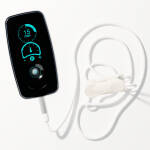
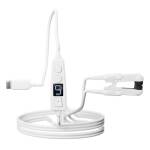
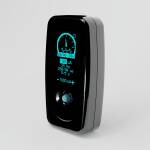
Breathing exercises are one way to work with your vagus nerve. Vagal Buddy is another: a current-controlled tVNS device that sends gentle pulses to the branch of the vagus nerve in your ear, at a steady dose every session. It fits easily alongside a breathing routine, and it comes with our 45-day money-back guarantee. Meet Vagal Buddy.