





How Much Does a Vagus Nerve Stimulator Cost?
Prices run from $59 to around $699 for consumer devices, and the sticker price is only half the story. Here is the whole market laid out, what actually drives the cost, and the ongoing expenses most listings do not mention.
Consumer device prices in 2026
| Device | Type | Price | Ongoing costs | |
|---|---|---|---|---|
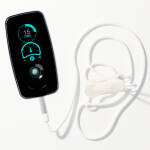
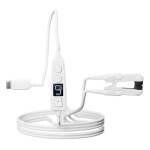
| tENS Vagal Boost | Ear clip, voltage-controlled tENS | $59 | Occasional gel, replacement clips | View |
| Pulsetto | Neck band, voltage-controlled | ~$269 | Gel refills, optional premium subscription | Compare |
| Vagal Buddy | Ear, current-controlled tVNS | $349 | Occasional gel; protocols update free | View |
| Vagal Oh! | Wireless ear, current-controlled tVNS | $499 | None required; optional Tones | View |
| Nurosym / Nuropod | Wired ear, voltage-controlled tENS | ~$699 | See maker | Compare |
What you are actually paying for
Control precision is the real price divide. Budget devices are voltage-controlled: they push a fixed voltage, and the current your nerve receives drifts with skin contact and moisture. Current-controlled devices measure and adjust hundreds of times per second, delivering the same dose every session. That electronics difference, not branding, is why a $349 current-controlled device can outperform a $699 voltage-controlled one. The full explanation is here.
Form factor. Going fully wireless - no handheld unit, nothing in your pocket - is roughly a $150 premium ($349 Buddy vs $499 Oh!).
Software. A device with an app and updatable protocols keeps improving after purchase; a fixed-function device is finished the day it ships.
The costs listings leave out
Conductive gel or paste is a few dollars a tube and lasts months, but some neck devices consume it every session. Replacement ear clips are inexpensive but periodic. The one to watch is subscriptions: some competitors gate features behind a monthly premium plan, which can quietly exceed the device price over a couple of years. None of our devices require a subscription.
How to pay less
Start at $59. The Vagal Boost exists precisely so trying vagus nerve stimulation does not require a $500 leap of faith.
Use pre-tax dollars. Vagal stimulators are HSA/FSA eligible, which effectively discounts them by your marginal tax rate - often 20-30%. Here is how to use your funds.
Watch for refurbished units. When available, factory-refurbished stimulators carry the same guarantee at a lower price.
Treat the guarantee as part of the price. A 45-day money-back window means the real cost of finding out whether stimulation works for you is zero. A cheaper device with a strict returns policy can be the more expensive experiment.
Common questions
Does insurance cover vagus nerve stimulators?
Why is Nurosym so much more expensive?
Is the $59 option good enough?
What do the best devices cost overall?
Try one for 45 days. Not better? Full refund.
Every Vagal device ships free and carries a 45-day money-back guarantee, so the price of finding out is nothing.
Shop stimulators Read the buyer's guideCompetitor prices based on publicly available information as of August 2026 and subject to change; regional pricing and currency vary. Pulsetto, Nurosym and Nuropod are trademarks of their respective owners. Vagal devices are consumer wellness products, not medical devices.