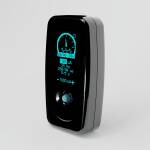
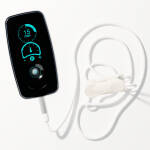
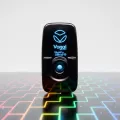
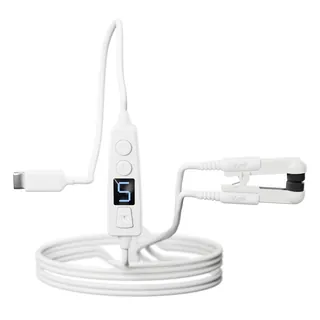
The research-grade tVNS stimulator with full parameter control, sham mode, and session logging. Built for labs that need results they can defend.

You've spent months on your protocol. The IRB paperwork is done. The grant is approved. And then you discover the device you ordered has hidden parameters, no sham control, and no way to export session data.
Reviewer 2 asks about blinding. Your PI asks why the output voltage drifted between subjects. The TENS machine from the catalogue has no documentation your ethics board will accept.
You don't have a stimulation problem. You have a device problem. And it's costing you time, credibility, and reproducible results.
The two ends of the market leave researchers stuck. Medical-grade implantable VNS is too invasive and expensive for most study designs. Consumer ear stimulators are too opaque -- hidden firmware, voltage-controlled output, no documentation, and no way to verify what's actually being delivered.
What you need is something in between: a device that gives you the parameter control and reproducibility of lab equipment, in a portable form factor your subjects can take home.
The Research Edition was designed by a team that started in 2019 making electrodes for university research labs. The device exists because researchers kept asking for it.

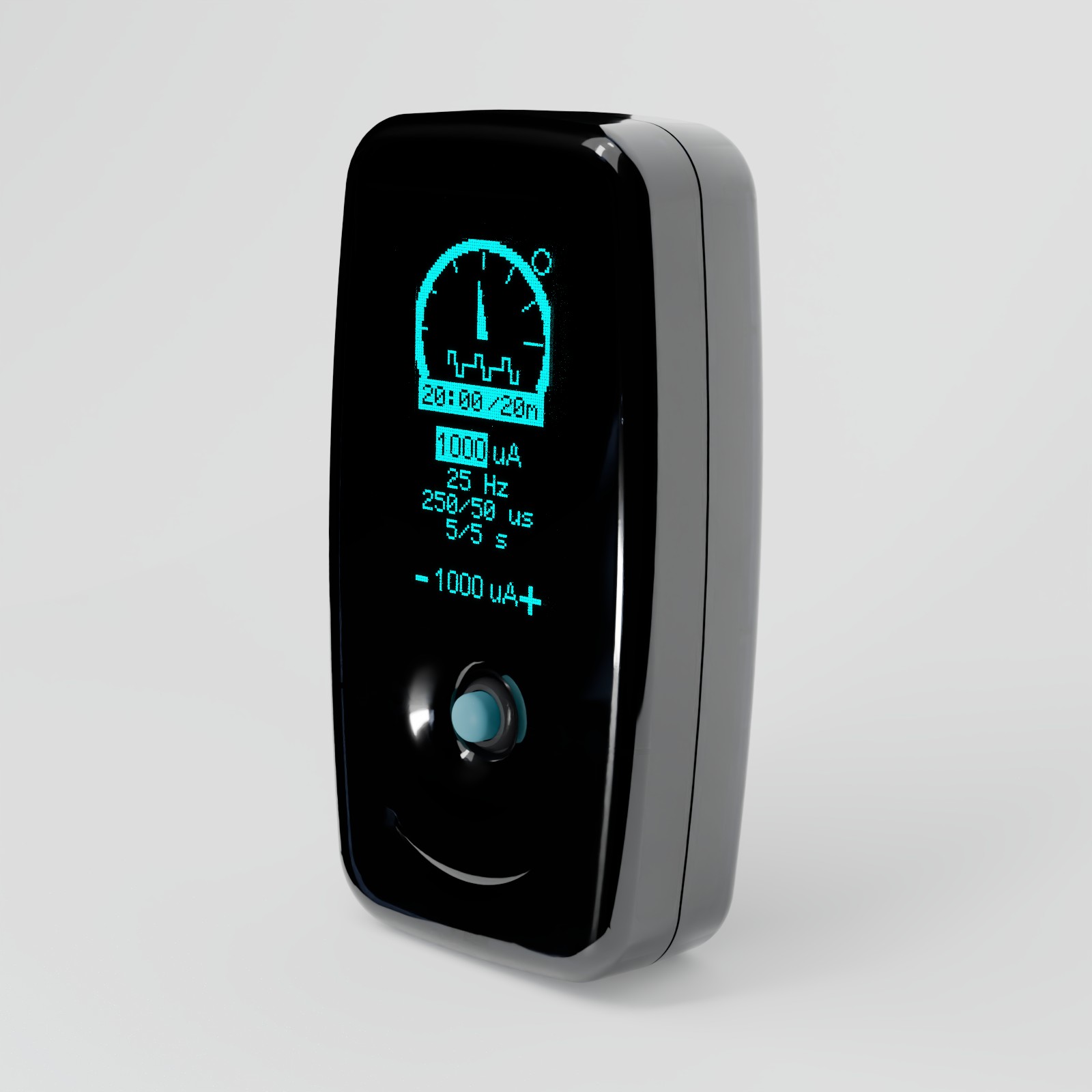
Same hardware trusted by thousands of daily users. Firmware unlocked with expanded parameter ranges, sham mode, session logging, and remote protocol control via the Vagal Tones app.
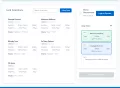
Set your protocol parameters via the app. Frequency, amplitude, pulse width, duty cycle -- all under your control.
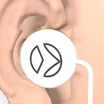
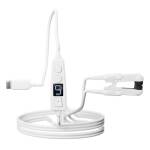
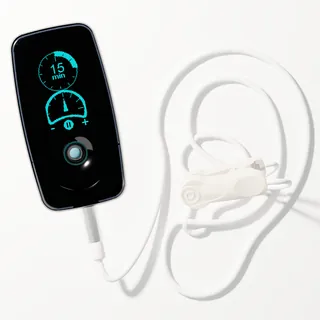
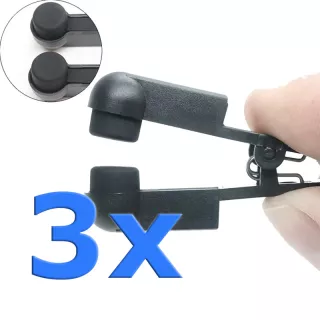
Attach the ear electrode. Left or right tragus. Three clip sizes for diverse populations.
Session logs capture delivered parameters, timing, and impedance. Export to MATLAB, R, Python, or SPSS.
Current-controlled output means consistent stimulation regardless of electrode impedance, skin moisture, or session duration. Your subjects get the same dose every time.
Built-in sham mode delivers a sensation without therapeutic stimulation. No earlobe placement workarounds. Participants and administrators can both be blinded.
Subjects can safely run pre-programmed sessions outside the lab. Finite-use mode limits sessions per protocol. Data syncs when they return the device.
Purpose-built research devices from medical device companies can cost $5,000+ per unit. The Research Edition delivers equivalent parameter control at under $400.
Full parameter control meets portable form factor. Create your own protocols -- don't test someone else's hidden ones.
Set frequency, amplitude, and pulse width to precise increments. Create protocols that match published research exactly.
Delivers initial ramp-up sensation then stops stimulation. Subjects cannot distinguish active from sham. No earlobe workarounds needed.
Every session records delivered parameters, impedance measurements, and timing. Export via Bluetooth to your analysis platform of choice.
Upload complex multi-phase protocols via the app. Automated parameter changes, randomisation sequences, and blinding allocation built in.
Run group studies with synchronised timing and centralised data collection. Ideal for RCTs and large-scale research protocols.
Set frequency variation boundaries to prevent neural habituation during longer protocols. You define the range, the device randomises within it.
The Research Edition uses current-controlled output, not voltage-controlled. This matters because electrode impedance changes across subjects, sessions, and even within a single session as gel dries. Current control ensures consistent delivery regardless.
The device is CE marked and FCC certified, compliant with IEC 60601-1 medical device safety standards. The full documentation package -- including device specifications, safety data, and stimulation parameters -- is available for IRB submissions and regulatory filings.
Real-time impedance monitoring tracks electrode contact quality throughout each session, flagging any issues before they compromise your data.
Started in 2019 manufacturing electrodes for university labs. Researcher needs came first.
Medical device safety standard. CE marked. FCC certified. Documentation for ethics boards.
Purchase orders, volume pricing, and invoicing for university procurement departments.
Direct line to our team at [email protected]. IRB documentation packages on request.
Test the Research Edition in your lab for 45 days. If it doesn't meet your study requirements, return it for a full refund. No administrative hoops.
One-time purchase. No subscription. No hidden fees. No recurring licences.
Already own a standard tVNS Stimulator? Upgrade the firmware. Starting fresh? Get the full Research Edition.
Digital firmware upgrade for existing tVNS Stimulator units (firmware 5.2+). Unlocks sham mode, expanded parameters, session logging, and protocol automation. No new hardware needed.
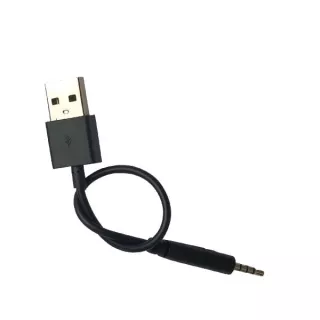
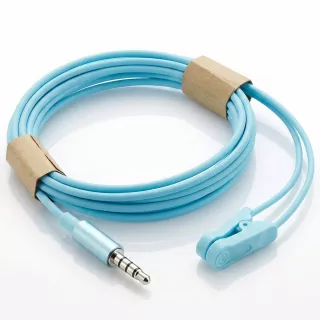
Upgrade existing deviceComplete device with Research Edition firmware pre-installed. Includes stimulator, ear clips in three sizes, conductive paste, charging cable, and full documentation package.
Request a quoteVolume discounts and institutional purchasing available. Contact [email protected] for multi-unit quotes.
| Device Specifications | |
|---|---|
| Frequency Range | 0.1 - 100 Hz (±0.1 Hz resolution) |
| Amplitude Range | 0.1 - 4.0 mA (±0.1 mA precision) |
| Pulse Width | 10 µs - 5 ms (±1 µs resolution) |
| Output Control | Current-controlled (not voltage-controlled) |
| Waveform | Biphasic square wave |
| Impedance Monitoring | Real-time, 1 - 100 kΩ range |
| Session Logging | Up to 8 hours continuous |
| Multi-Unit Sync | Up to 32 units via BLE |
| Battery Life | 60 minutes (86 mAh rechargeable) |
| Connectivity | Bluetooth Low Energy (BLE) |
| Ear Placement | Left or right tragus (three clip sizes) |
| Safety Standards | IEC 60601-1, ISO 13485 |
| Regulatory | CE Marked, FCC Certified |
| Weight | 190 g |
| Dimensions | 225 x 155 x 25 mm |
Full parameter control. Validated sham mode. Session logging. IRB-ready documentation. One device, built for the research you actually need to do.
Start getting better data